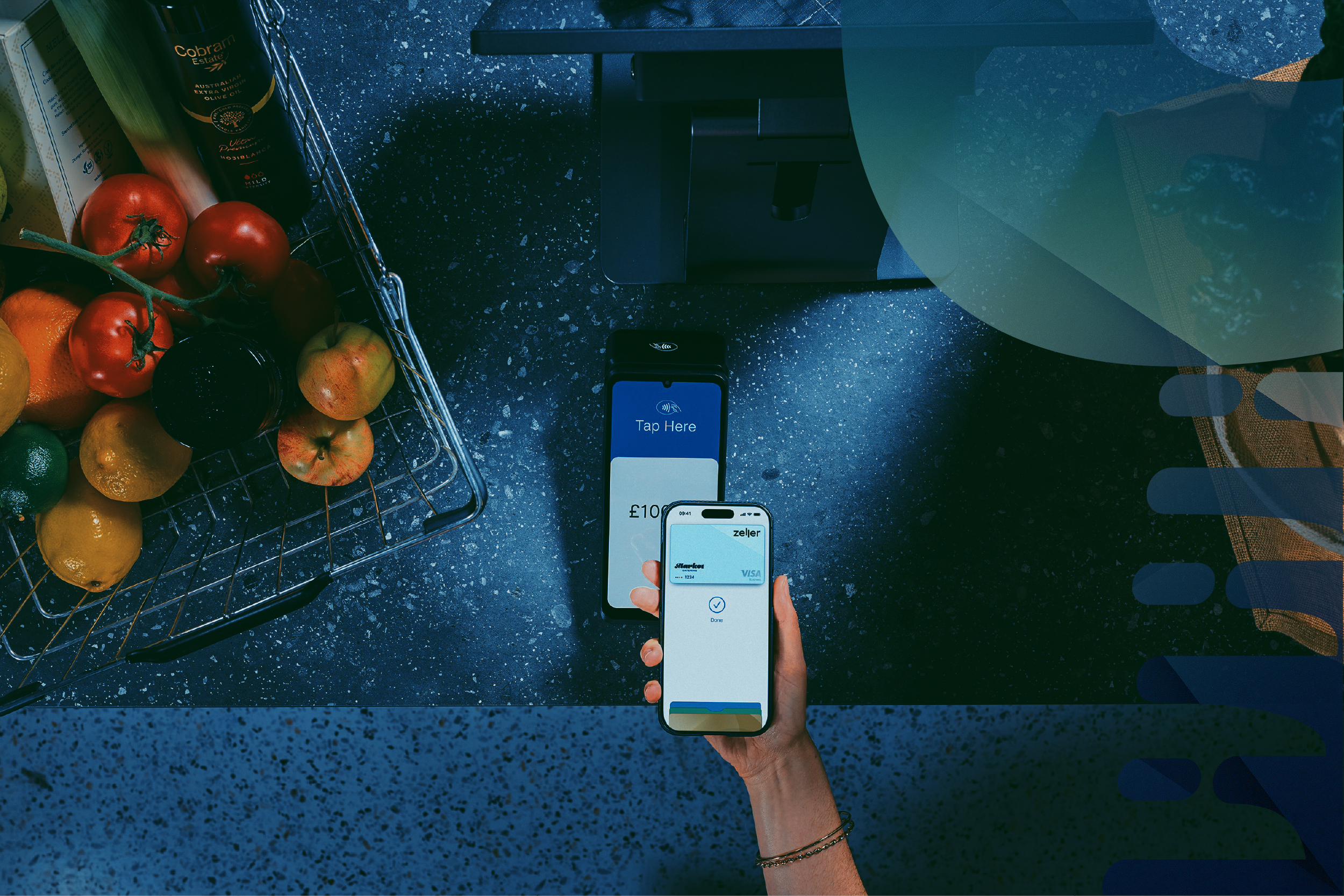

Your 6% grocery card is the hero of the wallet from January through most of the summer. Then one ordinary Saturday, with the cart full and the line moving, it quietly stops being the right card. Nothing about the card changes. The terminal beeps the same way it always has. What changed is a number you probably have not looked at since you applied: the annual cap on the bonus rate.
Most bonus grocery rates come with a ceiling. Spend past it and the card falls back to its base rate, often 1%, for the rest of the year. The card that was earning six cents on every dollar is now earning one, and unless you track the running total, you will keep reaching for it out of habit.
Here is a typical year for a household that spends about $750 a month on groceries with a card that pays 6% on the first $6,000 each year and 1% after that.
The gap in that last stretch is $30 to $60. It will not change your life, but it is money you had every right to earn and handed back because the card in your hand looked exactly the way it did in June.
The card did not get worse. The math around it changed, and nobody sent you a notice.
Issuers spell out caps in the fine print and say far less at the register. Some show a progress bar deep inside their app. Most say nothing until the statement arrives, and by then the next few grocery trips are already on the same card.
Habit does the rest. Once a card becomes your grocery card, you stop thinking about it, which is the whole point of having a system. The trouble is that a system built on memory only works until the facts behind it change.
The best time to decide what replaces a capped card is before the cap arrives. Look at the other cards you carry and rank them for grocery spending specifically.
Watch how the store codes, too. A grocery counter inside a big-box retailer or a warehouse club may not post as groceries at all, which can make your grocery card the wrong pick even before the cap.
Cash Pass reads your spending history through a read-only connection and keeps a running total against each card's cap. When you arrive at the supermarket, it checks how much room is left before it recommends anything. With room to spare, it names the 6% card and shows how much of the cap you have used. Once the cap is spent, it names the next-best card instead and tells you why in one line.
If you have written a rule for that store, the rule wins. Cash Pass never overrides a rule you set. It simply tells you when a rule is pointing at a card that has stopped earning its bonus, so you can decide whether to keep it.
None of this means you should cancel a strong grocery card. A 6% rate on your first $6,000 is excellent. It just means the card works best as half of a pair, with a clear fallback ready for the rest of the year.
Do all grocery cards have caps?
Will Cash Pass switch cards for me?
What if my supermarket does not code as groceries?
When should I drop a capped grocery card?
A capped grocery card is still worth carrying. Know where the cap sits, choose the backup early, and let the recommendation switch cards the moment the math changes, so the groceries you buy in the fall earn as much as the ones you bought in the spring.

Account updates by text: when a rotating category needs activating, when a cap is getting close, and when a rule changes.